
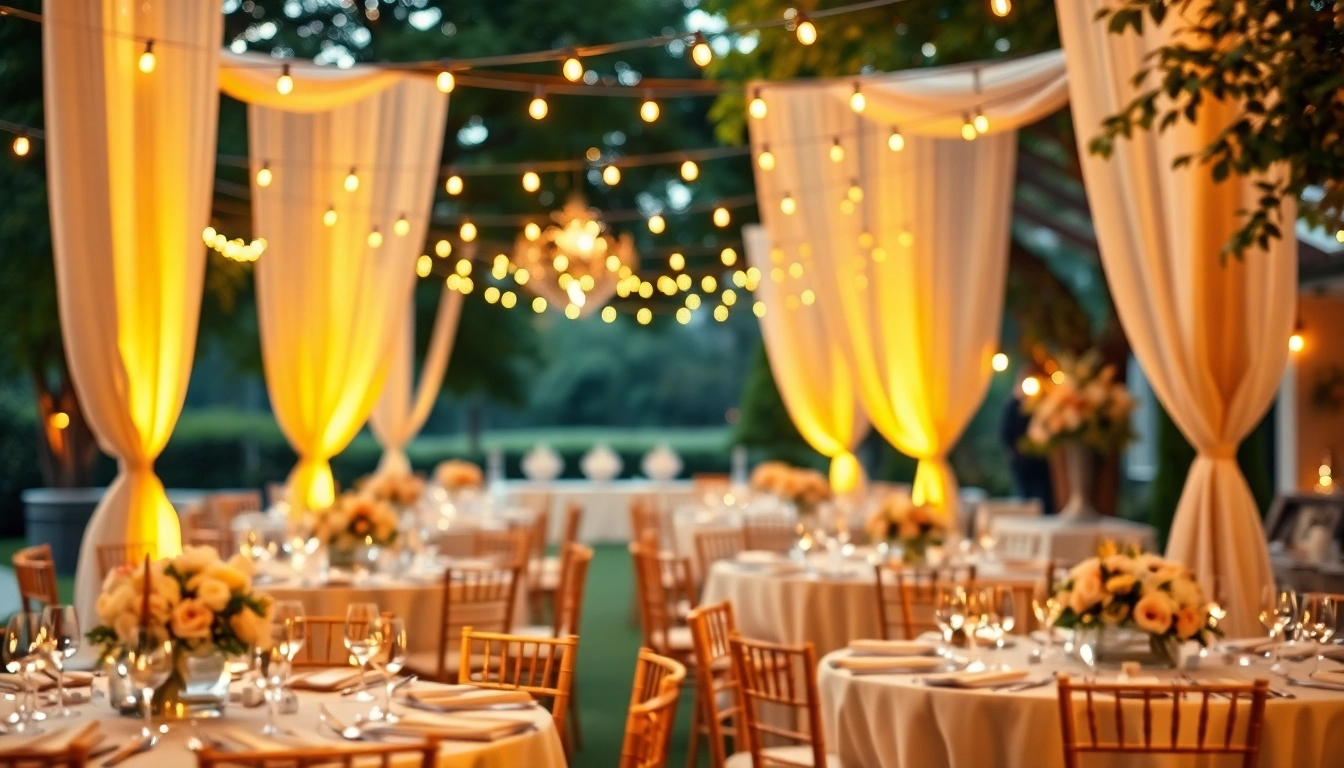
Understanding Elegant Event Themes
When planning an event, the overall theme serves as the foundation upon which all other elements are built. A well-chosen theme enhances not only the aesthetic appeal but also guides the experience of attendees. From weddings to corporate gatherings, selecting the right theme can transform an ordinary event into an extraordinary one. To achieve this, understanding the nuances of elegant themes is essential, and you can explore these concepts at https://www.casablancahire.co.uk/.
Importance of Theme Selection
The theme is the heartbeat of an event, creating a coherent and immersive environment. A thoughtfully selected theme resonates with the audience, reflecting their preferences and elevating their experience. It aids in decision-making for all other aspects of the event, including decor, venue choice, and entertainment. Moreover, a strong theme creates a memorable brand identity for corporate events, enhancing recognition and recall.
Popular Elegant Themes
Some of the most sought-after elegant event themes include:
- Classic Elegance: Timeless designs featuring soft colors and traditional decorations.
- Vintage Glamour: Elements from past eras paired with modern functionality.
- Arabian Nights: Rich colors, intricate patterns, and opulent furnishings.
- Garden Party: Nature-inspired themes that incorporate greenery and floral designs.
Each of these themes provides distinct opportunities for creativity and expression, making them popular choices for various events.
How Themes Enhance Experience
Elegant themes enrich the attendee experience through visual storytelling, creating a narrative that engages guests at every touchpoint. From invitations to the event’s conclusion, each detail can reflect the chosen theme, making attendees feel like part of something special. Additionally, a well-executed theme can prompt social interactions and networking opportunities, further enhancing the event’s value.
Essential Elements of Event Design
While the theme provides direction, the execution hinges upon various essential design elements that need attention to detail. Here, we’ll explore these key design components that contribute to a successful elegant event.
Key Design Components
The design of an event must integrate several core components that work harmoniously together. These include:
- Decor: A combination of centerpieces, lighting, and furnishings that embody the theme.
- Layout: The arrangement of space to facilitate flow and promote interactions among guests.
- Audio-Visuals: Technology that enhances presentations or entertainment while maintaining elegance.
- Floral Arrangements: Flowers add beauty and freshness, playing an important role in setting the ambiance.
Meticulously curating these elements ensures they align with the overall vision of the event.
Incorporating Color Psychology
Color choices can dramatically influence mood and perception, making them vital in event design. For example:
- Blue: Evokes calmness and trust.
- Red: Conveys passion and excitement.
- Green: Represents growth and serenity.
- Gold: Suggests luxury and sophistication.
By incorporating these colors intentionally, planners can shape the emotional landscape of their events.
Balancing Function and Aesthetics
Elegant design must balance beauty and functionality. While aesthetics capture attention, practicality ensures a seamless experience. Efficient traffic flow, comfortable seating, and accessibility for all guests are critical components that must not be overlooked. Conducting walkthroughs and assessments of the venue layout is an important step to strike this balance effectively.
Budgeting for Elegant Events
Creating an elegant event does not have to break the bank. Understanding budgeting strategies can help maximize the impact while maintaining financial responsibility.
Effective Budgeting Strategies
Establishing a realistic budget involves outlining key categories, prioritizing essential elements, and allocating resources accordingly. Components to budget for include:
- Venue rental
- Decor and design materials
- Catering services
- Entertainment
- Marketing and promotion
Having clarity on these costs helps avoid overspending and keeps the event on track.
Cost-Saving Tips for Decor
To achieve an elegant look on a budget, consider the following tips:
- DIY Elements: Create customized decor that adds personal touches.
- Rental Services: Rent decorations instead of purchasing them outright.
- Seasonal Flowers: Use in-season blooms for greater affordability.
- Reusable Items: Opt for decor that can serve multiple events or occasions.
With creativity and planning, elegance can be achieved without overspending.
Allocating Funds Smartly
Strategically allocating funds can help ensure priorities are established. It’s advisable to invest more heavily in critical areas like catering and venue, where attendee experiences are most impacted. Tracking expenses and reevaluating allocations regularly can help avoid budget pitfalls and ensure the most critical aspects of the event receive the attention they deserve.
Choosing the Right Venue
Choosing a venue is one of the most significant decisions in the planning process, as it directly impacts the event’s success and feel. Here’s how to navigate this crucial aspect.
Criteria for Venue Selection
When selecting a venue, consider the following criteria:
- Capacity: Ensure it comfortably accommodates your expected number of guests.
- Location: Choose a convenient and accessible location for attendees.
- Amenities: Check for necessary features like staging, AV equipment, and parking.
- Aesthetics: The venue’s existing decor should align with your event theme.
Conducting site visits and asking critical questions can help determine if a venue meets your needs.
How Venue Influences Design
The choice of venue significantly impacts design approaches. Natural lighting, architectural details, and available space dictate the aesthetic possibilities. For instance, an outdoor garden venue may lend itself to a more relaxed, organic theme, while an upscale ballroom could warrant a more formal design. Understanding these dynamics ensures that design elements harmonize with the venue.
Maximizing Venue Space
Efficiency in using venue space enhances guest experience and creates an effortless flow. Consider different layouts such as cocktail, theater, or banquet styles. Additionally, using partitioning or decor to delineate different areas can help create diverse experiences within the same space. Always keep accessibility in mind, ensuring barriers are minimal to enhance movement throughout the space.
FAQs About Elegant Event Planning
What is the best way to choose a theme?
Start by considering your audience, event purpose, and desired atmosphere. Research current trends and gather inspiration to find a theme that reflects your vision and resonates with guests.
How can I afford elegant decorations?
Utilize rental services, DIY decor, and seasonal flowers to keep costs down while achieving elegance. Focus on impact pieces that enhance the overall look without overspending.
What elements are essential for my event?
Key elements include venue selection, catering, decor, audio-visual needs, and guest experience considerations, which should align with your event’s theme and goals.
How much time should I allocate for planning?
Allocate at least 4-6 months for comprehensive planning, especially for larger events. This time frame allows for careful vendor selection and logistics management.
Can I host elegant events on a budget?
Absolutely! Effective planning, prioritizing essential elements, and seeking cost-saving strategies can result in an elegant event without overspending.


