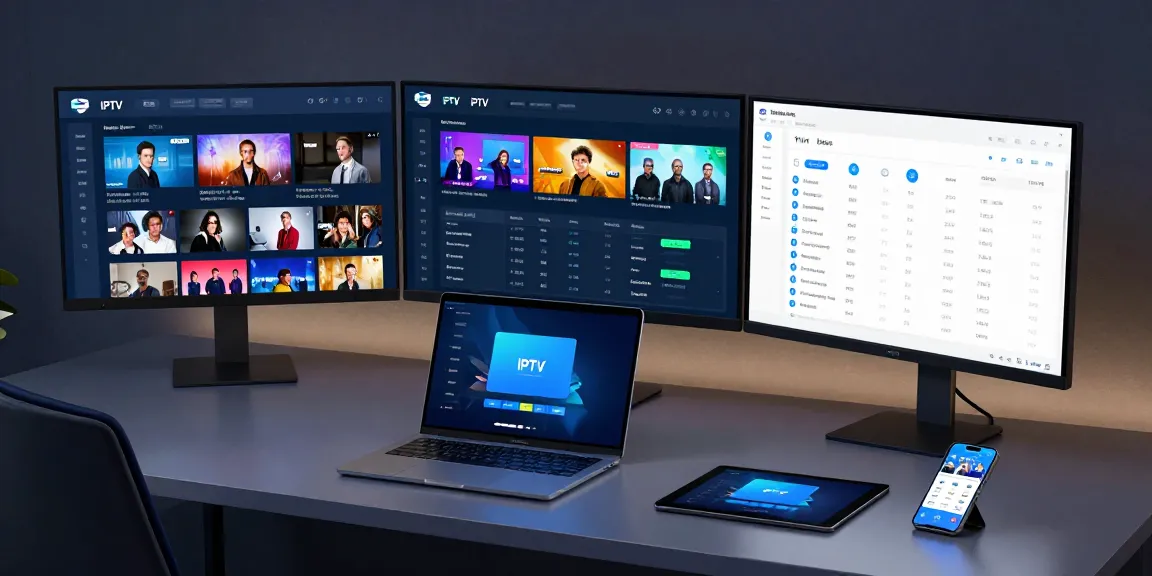
Understanding IPTV Reseller Panels
The rise of streaming services has transformed how people consume media, and IPTV (Internet Protocol Television) has become a significant player in this landscape. For entrepreneurs looking to enter the IPTV market, understanding Iptv reseller panels is crucial. These panels provide the tools necessary for resellers to deliver IPTV services to end-users, offering a variety of channels and content that can be tailored to specific audiences. This article explores the features, operational mechanics, and overall advantages of IPTV reseller panels in the UK market.
What is an IPTV Reseller Panel?
An IPTV reseller panel is a service portal that allows individuals or businesses to manage IPTV services for their subscribers. This panel provides functionalities for account management, subscription handling, real-time monitoring, and technical support for resellers. Typically set up by established IPTV service providers, these panels empower resellers by granting them the capability to control their operations without requiring extensive technical expertise.
Key Features of IPTV Reseller Panels
IPTV reseller panels come packed with essential features that enhance user experience and provide operational simplicity:
- Branded Dashboard: Resellers can operate under their own brand, providing a unique identity to their service.
- Extensive Content Library: Access to thousands of live channels and VOD (Video on Demand) content from various genres.
- Multiple Connection Support: Enables subscribers to stream content on multiple devices simultaneously.
- Real-time Statistics: Real-time tracking of user engagement and service performance metrics.
- 24/7 Support: Dedicated support to troubleshoot issues and assist users promptly.
How IPTV Reseller Panels Enhance User Experience
By leveraging anti-buffering technologies and dedicated infrastructure, IPTV reseller panels ensure a seamless viewing experience. Dedicated servers reduce the chances of downtime, particularly during peak hours such as sports events or popular show releases, where traffic spikes can lead to interruptions. Furthermore, the easy, intuitive setup allows new resellers to begin operations quickly, fostering user satisfaction from the get-go.
Managing IPTV Credits: A Complete Overview
Understanding and managing IPTV credits is a pivotal aspect for resellers aiming for profitability in the IPTV business model. IPTV credits represent a virtual currency that resellers use to create subscriber accounts. Each credit allows for the activation of one subscriber line, making it crucial for resellers to select the right credits plan based on their business strategy.
How IPTV Credits Work?
IPTV credits operate on a straightforward principle: the more credits you acquire, the more subscribers you can activate. These credits can be purchased in various packages tailored to suit different business sizes. For instance, a reseller planning to cater to a small community might start with a smaller package, while larger resellers can benefit from bulk purchases at discounted rates, enhancing their profit margins.
Choosing the Right Credits Plan for Your Business
Selecting the right credits plan involves evaluating your subscriber base projection and aligning it with available packages. Entry-level resellers may opt for smaller credit packages to gauge their market influence and subscriber interest, while robust resellers who understand demand fluctuations might opt for larger bulk credit purchases, maximising their purchasing power and operational flexibility.
Maximising Profits with Bulk Credit Purchases
Bulk purchases not only reduce the cost per credit but also enable resellers to strategise pricing models effectively. Given that most resellers charge their subscribers a fixed monthly fee, bulk acquisition can lead to significantly higher margins as the cost of acquired credits decreases alongside increased subscription volume.
Technical Aspects of IPTV Reselling
Successful IPTV reselling is not just about purchasing credits and managing subscribers; there are critical technical aspects that resellers must understand to ensure high-quality service delivery.
Infrastructure Requirements for IPTV Resellers
IPTV resellers require a robust infrastructure comprising reliable internet bandwidth, dedicated server hosting, and potent streaming protocols to deliver content. Adopting cloud solutions can significantly improve scalability, allowing resellers to manage increased traffic effectively as their subscriber base grows.
Ensuring High Availability and Uptime
Proper implementation of redundancy in server architecture can lead to high availability. This includes loading balancing across multiple servers and establishing failover systems to ensure uninterrupted service. Monitoring tools should be employed to assess performance metrics and uptime, enabling swift responses to any potential disruptions.
Leveraging Anti-Buffering Technology
Implementing anti-buffering technologies allows IPTV resellers to provide high-quality streaming experiences by minimising latency and ensuring a seamless flow of content. Techniques such as content delivery networks (CDNs) can cache data closer to end-users, reducing latency and delivering content faster.
Best Practices for Growing Your IPTV Subscriber Base
Growing an IPTV subscriber base entails not just relying on quality content; strategic marketing, pricing practices, and customer engagement must be synergised to foster loyalty.
Marketing Strategies for IPTV Resellers
Effective marketing strategies involve a mix of online and offline efforts. Utilizing social media platforms for targeted campaigns can attract potential subscribers seeking value-driven options. Collaborating with influencers or tech bloggers to review your service can also enhance visibility and establish credibility in the market.
Creating Competitive Pricing Models
Establishing competitive yet sustainable pricing models is crucial. Resellers should consider regional pricing trends, subscriber expectations, and content value when determining their monthly fees. Offering introductory promotions or trial periods can also help draw in hesitant customers.
Utilising Social Media for Subscriber Engagement
Social media not only serves as a marketing tool but also as a platform for subscriber engagement. Regularly updating followers with new features, content highlights, and promotional offers fosters a community, encouraging word-of-mouth referrals and enhancing brand loyalty.
Common Challenges in IPTV Reselling and Solutions
Despite its potential, IPTV reselling poses several challenges that require quick and efficient solutions to maintain service reliability and consumer trust.
Dealing with Server Downtime
Server downtime is one of the most frustrating challenges for IPTV resellers. Implementing a robust monitoring system that alerts management of any performance issues can help mitigate this. Additionally, utilizing multiple server locations can distribute demand and reduce the likelihood of outages.
Responding to Customer Support Issues Effectively
Swift and accurate customer support will distinguish successful resellers. By establishing a dedicated support team, leveraging chatbots for common inquiries, and providing clear troubleshooting guides online, reseller operations can maintain a positive user experience, even amidst challenges.
Handling Subscriber Complaints and Retaining Customers
Listening to subscriber feedback is critical. Implementing a feedback loop through surveys or direct communication helps resellers adapt their services based on user needs and expectations, ultimately fostering customer retention.
FAQs
Profit margins can vary, but successful IPTV resellers aim for margins between 20% to 40% depending on their operational costs and pricing strategies.
Utilizing a blend of social media outreach, influencer partnerships, and promotions can effectively market IPTV services. Joining forums and IPTV community discussions can also increase visibility.
IPTV streaming is supported on a multitude of devices, including Amazon Firestick, Android TV Boxes, Samsung and LG Smart TVs, MAG Boxes, and various mobile devices that support M3U or Xtream Codes connections.